Man and van in Arnos Grove

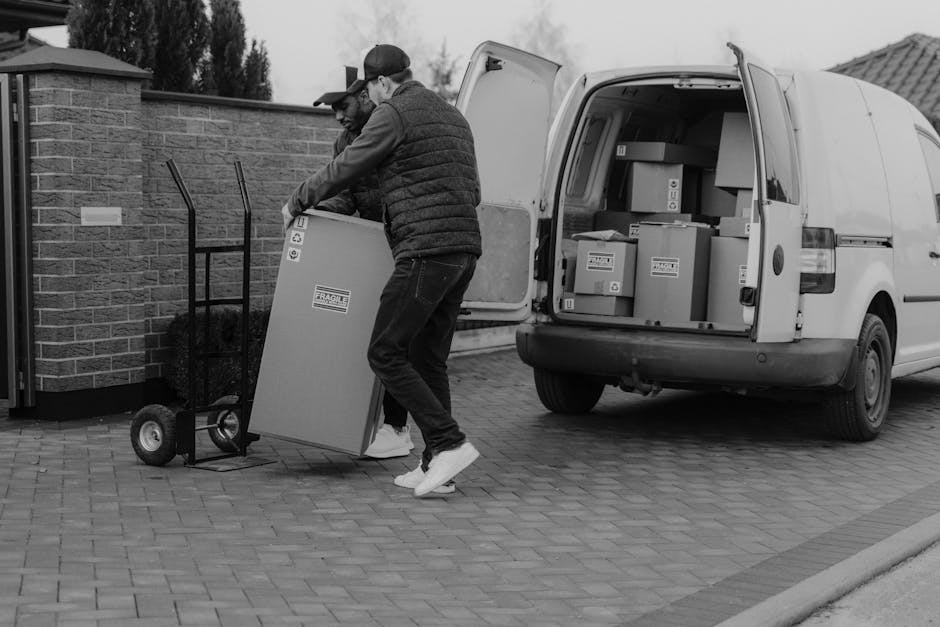
If you need a practical man and van in Arnos Grove, our service is built for the everyday moving jobs that call for a careful vehicle, sensible loading and straightforward planning. We help with household items, single bulky pieces, lighter office loads and mixed collections that need moving without the scale of a full removal lorry. The focus is on keeping the job organised, protecting the items being moved and matching the vehicle space to the task rather than making the process more complicated than it needs to be.
Because every move is different, we shape the work around what is being transported, how far it needs to travel and the access at each end. That can mean a simple two-stop journey, a few extra collections, or a move that includes stairs, awkward hallways or items that need a more considered lift. If you want to compare options before you commit, you can look at our pricing and quotes page, or simply ask for a quotation in your own time.
For customers who are deciding between a van-only job and a fuller moving service, the main questions are usually volume, fragility and timing. We are happy to keep the arrangement focused on the essentials: what is moving, what access is available, and whether anything needs particular care. Clear information at the outset helps the job run more smoothly, but the service itself stays flexible enough for smaller domestic moves and straightforward commercial transport alike. Request a quotation when you are ready.
Household moving and single-item transport
Our house-moving support is suitable for a wide range of everyday loads, from a few boxes and bags to the contents of a small flat. A van service is often a good fit when the move does not require a large multi-vehicle operation, yet still needs more than a car boot can safely handle. We can carry furniture, white goods, packed personal items and other possessions that benefit from being stacked and secured properly during transit. For broader home move options, see home moves.
Single-item transport is also a common use for this kind of service. Sofas, beds, wardrobes, desks, cabinets and similar pieces can be moved without booking a larger removal package, which can be useful when you are replacing one item, clearing a room or taking something to storage. If you are moving heavier household pieces, the question is less about size alone and more about how they should be lifted, protected and loaded so that surfaces, corners and fittings are not damaged in transit.
When you are deciding what to include in the job, it helps to group items by room or by type. That makes it easier to judge van space and decide whether a simple collection, a return journey or multiple drops is the better arrangement. A short written list is often enough to begin with, though photos can help when furniture is oversized or access is tight. Keep the service focused and practical; that usually leads to the clearest plan.
Loading, access and careful handling

Good handling is central to any van move. Items need to be lifted, stacked and positioned so they stay steady on the road, and that means thinking beyond the journey itself. We consider the order in which items should go in, which pieces can sit together and what needs padding or separation. This is especially important when the load includes fragile household items, sharp-edged furniture or mixed boxes that can shift if they are not arranged sensibly. If you are comparing vehicle types, our moving van page gives a useful sense of the transport side of the work.
Access matters just as much as the road journey. Narrow stairwells, shared entrances, parking restrictions and long carries all affect how a move should be organised. A well-planned arrival helps the load-in proceed at a steady pace, while a sensible unloading order can make delivery easier at the other end. We are not making promises about easy access where it does not exist, but we do aim to work around the real conditions of the property rather than force the move into a one-size-fits-all pattern.
For customers, the main decision is how much preparation is worth doing before the van arrives. It is usually helpful to pack loose items together, remove anything that would slow down handling, and make sure fragile pieces are clearly identified. If a furniture item needs dismantling or special wrapping, that should be mentioned when you enquire so the moving plan can reflect it. Ask for a quotation when the load details are ready.
Domestic removals for flats, homes and partial loads
Not every move is a complete house relocation. Some customers only need part of a home moved, such as furniture from one address, a roomful of items for storage, or selected belongings that are being transferred separately from the main household. In these cases, a man and van arrangement can be a sensible middle ground between casual transport and a full-scale removal service. For more substantial domestic work, our house removals page covers the household-moving side in more detail.
Partial-load moves often work well when the main aim is to keep the job uncomplicated. The van can be used for furniture, boxes, suitcases, small appliances and other items that need secure transit without unnecessary space being reserved. That can be useful for students, people downsizing, landlords clearing left-behind contents, or anyone who wants to move a few rooms’ worth of belongings without arranging a large team. The service is adaptable, but still depends on accurate information about what is going.
To keep the moving day efficient, it helps to decide in advance whether the job is curbside, door-to-door or involves carrying items between floors. If there are narrow entrances, limited parking or items stored in multiple rooms, say so early. That way the route, vehicle space and handling approach can be matched to the task. For a straightforward start, request a quotation and outline the basics of the load.
Office moves and light commercial transport

A man and van service can also suit light business moves where the load is smaller than a full office relocation but still needs professional handling. That might include desks, chairs, boxed records, display items, stock, small filing units or equipment being moved between premises. If your business requires a fuller relocation plan, the office removals page is a useful place to look, while our commercial moving support is intended for more modest transport tasks and flexible collections.
Commercial loads often need a little more organisation than household items because they may contain items that must be kept separate, upright or protected from knocks. A compact van service works well when timing matters, when the route is simple and when the items can be grouped efficiently. We keep the work practical and measured, with attention to the sequence of loading and unloading so that items are easier to account for at both ends.
If the move is linked to a business closure, refit, stock transfer or small office change, try to identify anything that needs extra care before the job starts. That might be labelled boxes, electronics, paperwork or furniture with removable parts. Good preparation is not about creating more admin; it is about making the move precise enough to avoid avoidable delays. For the next step, ask for a quotation and include the main items, addresses and any access concerns.
Packing, unpacking and the parts of the move you can simplify
Packing is one of the easiest ways to make a van move more efficient. When smaller items are boxed sensibly, they can be stacked securely and handled with less chance of damage or confusion. Our packing and unpacking services page is relevant where customers want extra help with the preparation or settling-in stage, but even without that support, simple grouping by room or type can make the move more orderly. It also helps to separate everyday essentials from items that can travel later.
Unpacking is not always part of the job, yet it is often where the practical value of a well-planned move becomes clear. Items that arrive in a sensible order are easier to place, and furniture that has been handled carefully is less likely to need additional attention. Some customers prefer to keep the moving day focused only on transport; others want boxes and furniture positioned in the right rooms. Either approach can work, provided the plan is clear before loading begins.
There are also straightforward ways to make the job easier without turning it into a lengthy checklist. Keep pathways clear where possible, separate fragile things from general boxes, and note any item that should be loaded last or unloaded first. These small details help keep the service efficient and support better care in transit. Ready when you are is the right way to think about it: a clear enquiry leads to a clearer moving plan.
Vehicle choice, load size and straightforward pricing factors

Choosing the right vehicle is not only about fitting everything in. It also affects how the load is secured, how easily items can be reached and whether the move can be completed in one trip. Our moving truck page is useful if you are considering larger transport needs, while a van-based service suits lighter and more flexible jobs. The best option depends on dimensions, quantity, weight and whether the items are easy to stack safely.
Price factors are usually tied to the practical shape of the job rather than a single label. Distance, volume, access, loading time and any special handling all influence the quotation. A small, direct collection is naturally different from a multi-stop arrangement or a move with awkward access. If there are stairs, long carries or pieces that need dismantling, it is better to mention that early so the quote reflects the actual work required. Requesting an estimate with the real details included is the simplest way to avoid surprises.
When comparing options, it can help to think in terms of value rather than the lowest headline figure. A service that matches the load properly and is arranged clearly is usually more efficient than one that is too small, too large or too vague for the task. If you want to compare transport and removal choices, see our removal services page for a wider overview before asking for a quotation.
About Arnos Grove
Arnos Grove is a district in the London Borough of Enfield, known for its distinctive interwar suburban character and its strong transport links. The area takes its name from the former Arnos Grove estate, and much of its modern identity developed during the twentieth century as surrounding fields and estates gave way to housing, shopping parades and civic facilities. One of its best-known landmarks is Arnos Grove Underground station, designed by Charles Holden and opened in 1932 as part of the Piccadilly line extension. The station remains an admired example of modernist transport architecture, with its circular ticket hall and clean geometric form often cited in architectural histories. Nearby, Broomfield Park offers open green space, mature trees and a prominent ornamental lake, giving the district a calmer public landscape alongside its main roads and residential streets. The area also sits close to the broad sweep of the North Circular Road, which has long influenced movement across north London, while the adjoining streets retain a mix of semidetached houses, apartment buildings and local retail uses. This combination of historic transport design, suburban growth and accessible parkland gives Arnos Grove a character that is practical, well connected and visually distinctive within north London.
Furniture pick-up, storage runs and flexible collection work

Not every job is a full move from one home to another. Some customers mainly need furniture picked up from a retailer, a private seller or a storage unit, then delivered to a different address or held temporarily while they organise the rest of the move. Our furniture pick-up service supports that kind of collection work, where careful handling and sensible loading are more important than a large moving team. It can be a practical way to deal with a single sofa, bed frame, table or cabinet without overcomplicating the booking.
Flexible collection work also suits situations where the route is simple but the items are inconvenient to move alone. Perhaps the piece is bulky, awkwardly shaped or too heavy for a quick self-collection, or perhaps it needs a vehicle with enough loading space to keep it safe. In those situations, the value of the service is in making the pickup predictable and controlled. If you have more than one collection point, mention that early so the route can be planned with the load order in mind.
To finish the process well, keep the handover details clear and make sure any item-specific issues are flagged before the day. That may include removable parts, fragile surfaces, or a requirement to keep pieces upright. A clear start makes for a calmer finish, and that is usually what customers want from a van-based moving service. If you are ready to move ahead, ask for a quotation and describe the items you need transported.
Service options, support pages and how to plan your booking
If you are still comparing which type of removal support suits your job, it can help to look at related service pages before you decide. Our removals page gives a broader overview of moving work, while man and van is useful if you want to understand the core service style more generally. These pages sit alongside the practical moving options for households and businesses and can help you decide whether a van-based solution is the right scale for your load.
For planning, the most useful details are usually the least complicated: what needs moving, from where, to where, and whether anything is unusually large, fragile or time-sensitive. A short inventory is often enough to start the conversation, and if the items are hard to describe, a few clear notes can still be sufficient. Try to keep the preparation focused on the move itself rather than on admin for its own sake. The aim is a transport plan that feels clear, proportionate and manageable.
When you are happy with the outline, the final step is simple: request a quotation and share the basics of the job. That lets the service be matched to the actual load, the access available and the distance involved. If the move includes something unusual, say so plainly; if it is straightforward, that is fine too. The right quotation is the one that reflects the real work, not an assumed version of it.
Commercial enquiries and next steps
For commercial customers, the same principles apply whether you are moving stock, furniture, samples or equipment. The more precisely the work is defined, the easier it is to plan a suitable van move and the less likely it is that the job will need to be revised later. If your project involves an office clear-out, a branch change or a simple inter-site transfer, we can keep the transport side focused on the items themselves and the conditions around them. For broader relocation support, our commercial moves page is available as another point of reference.
It is often helpful to decide early whether the job is a one-off collection, a move with several stops, or a recurring transport need. That does not mean you need a complicated brief. In many cases, a few notes about item type, floor level, parking and any lifting concerns are enough to shape a workable plan. If you prefer, you can keep the conversation short and practical: what needs to go, when it needs to happen and where it is headed. From there, ask for a quotation.
If you need support beyond transport, other useful pages include house movers and removal company, depending on the scale of the work. Those pages help set expectations for different kinds of moving arrangements, while this service remains centred on the compact, adaptable van-based option. When you are ready, the next step is straightforward: send the details and request a quotation for your move in Arnos Grove.