Man with Van removals for flats on Bounds Green Road
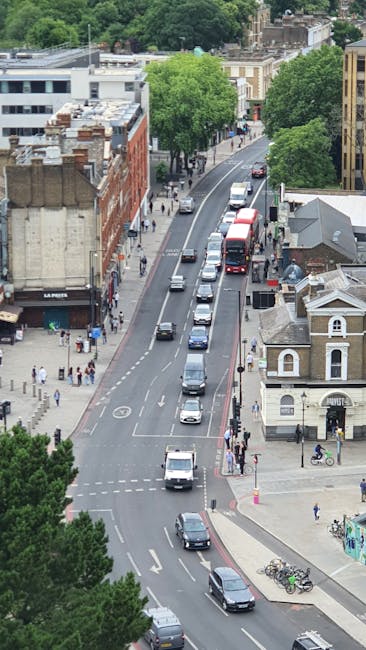
Moving out of a flat can feel simple on paper, then suddenly you're juggling stairs, tight hallways, parking, neighbours, lift bookings, and a sofa that seems to have grown overnight. That's exactly where Man with Van removals for flats on Bounds Green Road earns its keep. If you live in a studio, a one-bed, or a top-floor flat and need a move that is quick, careful, and not unnecessarily chaotic, this kind of service is often the best fit.
In this guide, we'll break down how flat removals work on a busy North London road, what makes them different from larger house moves, how to prepare properly, and what to check before you book. A good move is rarely about brute force. It's about planning, timing, access, and experience - the unglamorous bits that save you from a long day and a few sore arms.
Why Man with Van removals for flats on Bounds Green Road Matters
Bounds Green Road is the sort of place where a flat move can become awkward fast if the logistics are not thought through. Depending on the building, you may be dealing with narrow stairwells, limited waiting space, shared entrances, and parking that feels like a small puzzle no one asked for. A man and van setup is well suited to that environment because it is flexible, relatively quick to load, and easier to position than a larger moving truck.
For flat residents, the real issue is not just transport. It's access. Can the van stop close enough? Is there a lift? Are the communal areas protected? Will your move overlap with peak traffic, school runs, or a busy evening slot? On a road like Bounds Green Road, those questions matter more than people often expect. To be fair, that's where many DIY moves go sideways. Everything looks manageable until the final ten minutes.
Using a service designed for flat removals helps reduce the number of moving parts. You can usually arrange an appropriately sized vehicle, a practical loading sequence, and support that matches the size of your property rather than overpaying for something oversized. If you are also comparing broader services, it can help to look at man with van options alongside removal services and home moves so you can see what level of help suits your move.
How Man with Van removals for flats on Bounds Green Road Works
At a practical level, the process is usually straightforward: you request a quote, describe the property and access, confirm the date and load size, and then the van arrives to collect, transport, and unload your items. The part that makes or breaks the day is the detail. Flat removals are rarely difficult because of the boxes alone; they are difficult because of the building itself.
Here's what a well-run flat move normally involves:
- Pre-move assessment: what floor you're on, whether there's a lift, how parking works, and whether furniture will need dismantling.
- Vehicle matching: choosing a van size that fits the job without creating avoidable access problems.
- Loading plan: placing heavier items first and keeping fragile boxes protected.
- Safe transport: securing items so they don't slide or tip during the journey.
- Delivery and placement: unloading at the new address and putting items where they belong, not just dumping them in the hallway.
If you need packing help, it is worth considering packing and unpacking services as part of the move. For smaller or mixed loads, many people also compare man and van removals with man with a van and movers to find the right balance between cost and hands-on help.
One thing people often forget: the quote is only as good as the information you give. If there's a fourth-floor walk-up, a large wardrobe, or no parking directly outside, say so early. It saves embarrassment later. And yes, the stairwell will always look steeper on moving day.
Key Benefits and Practical Advantages
The best reason to use a man with van service for a flat move is not simply price. It is convenience with a sensible footprint. That may sound bland, but in real life it means fewer delays, less over-committing, and a move that feels proportionate to the property.
Some of the most useful advantages include:
- Better access in tight spaces: smaller vehicles can be easier to position near flats and shared entrances.
- Flexible timing: useful if you need a morning slot, a same-day move, or a short local transfer.
- Right-sized service: ideal when you do not need a full-scale removal company.
- Less wasted cost: you're not paying for a huge truck when you only have a compact flat load.
- Quicker turnaround: a smaller move often means less waiting, less back-and-forth, and a calmer day.
For many people, the biggest hidden benefit is mental. Flat moves can feel oddly intense because you're moving a whole home out of a relatively small space. A reliable mover turns that pressure into a sequence of manageable tasks. That's no small thing. If you've ever tried to carry a mattress down stairs while a neighbour is trying to get a buggy through the hall, you'll know exactly what I mean.
It can also be a smart choice for one-off items, such as a sofa, bed, or bulky wardrobe. In those cases, a dedicated furniture collection via furniture pick up may be useful, while larger domestic jobs can lean more toward house removals or a broader removals solution.
Who This Is For and When It Makes Sense
This kind of service is a strong fit for people in flats, maisonettes, studio apartments, and small shared homes where the move is manageable but still needs a professional hand. If you're not emptying an entire four-bedroom house, a man and van service is often the most sensible starting point.
It makes particular sense if you:
- live on an upper floor with limited lift access;
- have only a few large items plus boxes;
- need a local move along Bounds Green Road or nearby streets;
- want help loading and unloading but not a full packing crew;
- need to move on a tighter budget without cutting corners on care.
It may also suit people who are moving in phases. Maybe the main furniture is going first and the rest follows later. Maybe you're downsizing. Maybe you've got a few weeks between tenancies and want to move a flat's contents in one efficient run. In our experience, those mid-size moves are where the service shines.
If you are relocating a flat that includes a home office, or if your move overlaps with business equipment, it can help to compare with office removals or even commercial moves if there is mixed domestic and work inventory.
Step-by-Step Guidance
Good flat removals are mostly good sequencing. Once you break the process into steps, it becomes much less intimidating.
- List everything that is moving. Include awkward items, plants, mirrors, bikes, and anything that needs special handling.
- Check access at both addresses. Look at stairs, lifts, entrance widths, parking, and any restrictions on stopping outside.
- Measure larger items. Wardrobes, mattresses, sofas, and desks are the usual troublemakers.
- Declutter before packing. There is no point paying to move broken chairs, duplicate kettles, or three mystery cables from 2017.
- Pack by room and label clearly. It sounds basic, but it saves time at delivery.
- Confirm timing with the mover. Morning traffic, school drop-offs, and lift availability can all affect the day.
- Prepare essentials separately. Keep medication, chargers, keys, documents, and a change of clothes with you.
- Do a final sweep. Check cupboards, bathroom shelves, behind radiators, and the top of wardrobes. You'd be surprised.
Before booking, ask about insurance and safety arrangements. A good provider should be happy to explain how items are protected during loading and transit. You can also review the company's insurance and safety information and its health and safety policy. That kind of transparency matters more than fancy wording.
If you want a cleaner experience overall, a structured quote process through pricing and quotes helps you understand what is included. Clear pricing, clear scope, fewer surprises. Nice, simple, refreshingly normal.
Expert Tips for Better Results
A few small decisions can make a flat move noticeably smoother. These are the details people often skip, then regret on the day.
- Book with access in mind, not just distance. A short move can take longer than expected if parking is awkward.
- Protect building spaces. Stair rails, walls, and lift interiors can be scratched easily. Use covers or blankets where appropriate.
- Disassemble only what you need to. Over-dismantling creates more loose parts and more confusion.
- Keep a "first night" bag. Kettle, tea, toiletries, phone charger, and bedding. The boring stuff becomes gold at 9 p.m.
- Be honest about volume. If you understate the load, the day may feel rushed. If you overstate it, you may pay for space you do not need.
Here's a practical one: if your flat has a narrow entrance or awkward turn at the top of the stairs, send photos in advance. Not glamorous, but incredibly helpful. It lets the mover plan the route and spot any likely pinch points. That little bit of prep can save half an hour, sometimes more.
If you prefer a hands-off moving day, you might also look at removal company options or compare with a more general removal company if your inventory is larger than a typical flat move. For some readers, the extra support is worth it; for others, it's overkill.
Common Mistakes to Avoid
A lot of moving stress is self-inflicted, if we're honest. The good news is that most flat-move mistakes are easy to avoid once you know what to watch for.
- Leaving packing until the night before. It nearly always leads to rushed, messy boxes.
- Ignoring parking constraints. If the van cannot stop nearby, everything takes longer.
- Forgetting lift bookings or building rules. Some flats require advance notice for moves.
- Not measuring furniture. A sofa that won't fit is a very expensive obstacle.
- Mixing important items with general boxes. Keep essentials separate and visible.
- Assuming all services are the same. A man and van setup is not identical to a larger removal team.
Another common issue is underestimating how long a flat clear-out takes. A one-bed can still take a full morning if it's on the third floor and the lift is out of service. That's not drama, just reality. Build a bit of breathing space into the day and everything feels better.
If you are not sure how much support you need, compare man with van removal against broader removal services. The right choice often comes down to access, item size, and how much lifting you want to avoid.
Tools, Resources and Recommendations
You do not need a huge toolkit for a flat move, but a few practical items make the day easier. Nothing fancy. Just the basics that stop small problems becoming annoying ones.
- strong boxes in mixed sizes;
- packing tape and a decent dispenser;
- labels or marker pens;
- furniture blankets and stretch wrap;
- basic tools for dismantling beds or tables;
- bags for loose fittings and screws;
- floor protection for entrances and hallways where needed.
Recommendations worth keeping in mind:
- Use uniform box sizes where possible so stacking is safer.
- Put heavy items in smaller boxes. A box of books should never become a back injury waiting to happen.
- Wrap mirrors, frames, and glass separately.
- Keep boxes for the kitchen and bedroom clearly labelled, because those are the rooms you usually need first.
For service comparisons, some customers also look at moving van, removal van, and removals van arrangements to understand capacity and flexibility. If your move involves larger items or multiple stops, that context helps a lot.
And if you're clearing out a place as part of a wider home reset, recycling and sustainability is worth considering so usable items are passed on responsibly rather than simply thrown out.
Law, Compliance, Standards, or Best Practice
Flat removals do not usually feel like a legal topic, but a few practical standards matter. For one, moving teams should handle items safely, and customers should be given clear information about what is included, what is excluded, and what happens if access turns out to be more difficult than expected. That's simple best practice, but it protects everyone.
It is also sensible to understand your responsibilities as a customer. For example, if your building has rules about move-in or move-out times, lift reservations, or parking permissions, you should confirm those before the day. If the move takes place in a managed block, there may be building-specific requirements. Not every flat does, but enough do that checking is worth the five-minute call.
On the mover's side, you should expect careful handling of goods, reasonable care in shared spaces, and transparent communication about timing. If a company publishes its terms and conditions, payment and security, and privacy policy, that is a sign they take operational clarity seriously.
If you ever need to raise an issue, having a clear complaints procedure is part of good customer care. And yes, it's one of those boring pages you hope not to use, but you're glad it exists when needed.
Options, Methods, or Comparison Table
Choosing the right moving method is often easier when you compare them side by side. For a flat on Bounds Green Road, these are the most common options.
| Option | Best for | Strengths | Possible drawbacks |
|---|---|---|---|
| Man with van | Small-to-medium flat moves | Flexible, efficient, usually good for tight access | May be less suitable for very large or complex loads |
| Full removal service | Larger homes or heavy inventories | More hands, more capacity, more support | Can be more than you need for a compact flat |
| Van hire only | DIY moves with your own labour | Potentially cheaper upfront | You do the lifting, driving, planning, and problem-solving |
| Mixed approach | Moves with a few awkward items | Good balance of cost and support | Needs clear coordination |
For most flat residents, the man and van option hits the sweet spot. It is especially useful when your move is local, your furniture is manageable, and you want the process to feel tidy rather than over-engineered. If you're weighing service style as well as vehicle type, browsing man and van and removals near me can help you frame the decision.
Case Study or Real-World Example
Imagine a common scenario: a tenant moving from a second-floor flat on Bounds Green Road into a nearby rental a few streets away. The flat has a decent amount of furniture - bed frame, mattress, small wardrobe, desk, sofa, TV unit, and about 18 boxes. Nothing outrageous. But the building entrance is narrow, parking is limited, and the lift is too small for the sofa.
In that situation, the move works best when the load is planned in advance. The wardrobe is dismantled before the van arrives. Fragile items are boxed separately. Boxes are grouped by room. The van stops as close as possible, and the heavier items are moved first. The job is then done in a single organised run rather than three stressful ones.
What makes this type of move successful is not luck. It is the little things: knowing which furniture needs dismantling, leaving a path clear to the door, and communicating honestly about access. A move like this can be done efficiently and without drama. Not perfect, perhaps. But calm enough that you can still find the kettle at the end of the day.
If the same person had chosen a bigger service than needed, they might have paid more and still faced the same access issues. If they had tried to do it entirely themselves, they might have spent the whole afternoon shuttling boxes and wondering why a "quick move" now feels like a marathon.
Practical Checklist
Use this before moving day. It keeps the basics in one place and saves a surprising amount of stress.
- Confirm moving date and arrival time.
- Check access at both properties.
- Reserve parking or identify the closest legal stopping point.
- Measure bulky furniture and doorways.
- Disassemble items that need it.
- Pack and label boxes by room.
- Set aside essentials for the first 24 hours.
- Protect fragile items with wrap or blankets.
- Review quote details and included services.
- Make sure keys, documents, and valuables stay with you.
- Tell the mover about stairs, lifts, or access restrictions.
- Do a final flat check before leaving.
Quick summary: if you prepare access, volume, and packing properly, a flat move on Bounds Green Road becomes much easier. The service is there to simplify the hard bits. Let it do that job.
Get a free quote today and see how much you can save.
Conclusion
Man with Van removals for flats on Bounds Green Road are at their best when the move is local, the property is compact, and the access details are handled sensibly from the start. That combination saves time, cuts stress, and makes the whole day feel more controlled. And honestly, that's what most people want - not a grand moving experience, just a move that works.
Whether you are shifting a few pieces of furniture, relocating from a rented flat, or moving into somewhere new after a long wait, the right setup can make a real difference. Focus on planning, be honest about the practical details, and choose a service that matches the job rather than overselling it.
Move smart, stay calm, and give yourself a little credit when it's done. Getting a flat moved properly is proper work, even if it only takes a few hours.
Frequently Asked Questions
Is a man and van service suitable for a flat on Bounds Green Road?
Yes, especially for studios, one-bed flats, and smaller two-bed moves. It is often a good fit where access is tight and the load is manageable without needing a full-scale removal crew.
What details should I give when asking for a quote?
Tell them your floor level, whether there is a lift, what large items are moving, any parking restrictions, and whether you need help with loading, unloading, or packing. The more accurate the detail, the more useful the quote.
How do I know if I need a van or a larger removals service?
If you have a modest flat load and relatively simple access, a man with van setup is often enough. If you have lots of bulky furniture, multiple rooms of contents, or more complex logistics, a broader removals service may be more suitable.
Can a flat move be done the same day?
Sometimes, yes. It depends on availability, distance, access, and how much needs moving. Same-day support works best for smaller moves where preparation is already done.
What if my building has no lift?
That is very common and not usually a problem, but it should be mentioned in advance. Stairs affect timing and sometimes the number of people needed for the job.
Should I dismantle furniture before moving day?
If possible, yes. Beds, large wardrobes, and some tables are easier and safer to move when dismantled. Keep screws and fittings in labelled bags so nothing gets lost in the shuffle.
How can I protect fragile items during a flat move?
Use strong boxes, wrap breakables separately, and label them clearly. Glass, mirrors, and electronics should be kept apart from heavy, sharp, or loose items. Simple, but effective.
Are parking issues a big problem for flat removals?
They can be. On busy roads, parking and stopping access often affect timing more than the actual loading. It helps to plan the closest legal stopping point before the van arrives.
What should I keep with me rather than loading into the van?
Keep keys, phones, chargers, valuables, documents, medication, and a first-night bag with you. If there is one box you do not want buried under ten others, this is it.
How can I avoid last-minute moving stress?
Start packing earlier than you think you need to, label boxes by room, and confirm access details well before moving day. The boring prep work is what makes the day feel calm.
Is it worth using packing and unpacking help?
If you're short on time, moving out of a high-floor flat, or dealing with fragile items, it can be well worth it. Packing support often saves more stress than people expect.
What happens if I need to move more than I first estimated?
It's best to tell the mover as soon as possible. Underestimating the load can affect vehicle size, timing, and cost, so honesty upfront is always the better route.
Where can I learn more about the company before booking?
You can read the company's about us page, review insurance and safety, and check the terms and conditions before making a decision. That's the sensible way to compare providers, really.
